
.webp)
 By
Dr. Tarang Lad
By
Dr. Tarang Lad Managing Menopause After Breast Cancer: Safe and Effective Options
Menopause is a natural stage in a woman’s life, but the symptoms—such as hot flashes, night sweats, sleep disturbances, and mood changes—can significantly affect daily functioning and overall well-being. For many women, Menopausal Hormone Therapy (MHT) is the most effective way to manage these symptoms. However, for women with a history of breast cancer, the decision becomes more complex.
This is because certain types of breast cancer are influenced by hormones, particularly estrogen. In cases like Estrogen Receptor-Positive Breast Cancer, cancer cells depend on estrogen to grow. Since MHT works by adding estrogen (with or without progesterone) back into the body, it may increase the risk of cancer recurrence or interfere with ongoing treatment. For this reason, hormone therapy is generally avoided in most breast cancer survivors, especially those with hormone-sensitive disease.
In cancer care, hope is essential - it gives meaning to pain and strength to endure. Yet, when every conversation starts with “Be positive” or “Don’t lose hope,” it can unintentionally silence a person’s true emotions. Patients who are terrified, angry, or heartbroken often hide their pain behind forced smiles because they don’t want to disappoint their families or seem “weak.” Caregivers, too, feel this pressure - they push aside their exhaustion, suppress tears, and keep repeating words of encouragement even when they’re breaking inside. What begins as a comforting emotion gradually becomes an obligation. And hope, which once healed, starts to hurt.
At the same time, avoiding hormone therapy does not mean that women have to live with untreated symptoms. Today, there are several safe and effective non-hormonal approaches that can help manage menopause in a holistic and evidence-based way.
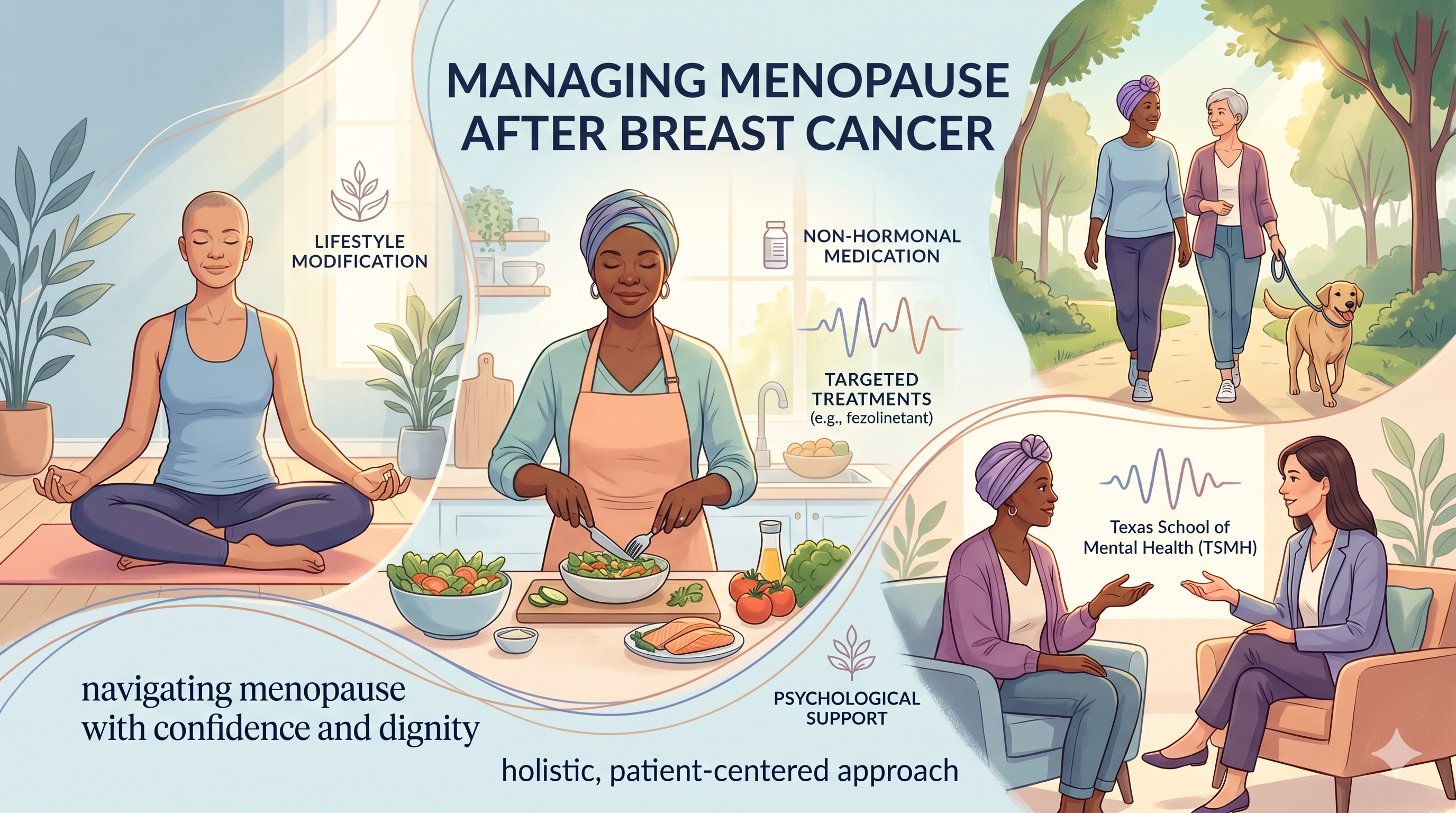
One of the most important foundations of menopause care is lifestyle modification. Simple, consistent changes can significantly reduce symptom severity. Regular physical activity, such as walking, yoga, or strength training, helps improve mood, sleep, and overall energy levels. A balanced diet rich in fruits, vegetables, whole grains, and healthy --fats supports hormonal balance and metabolic health. Reducing caffeine, alcohol, and spicy foods may help minimize hot flashes in some women. Good sleep hygiene—maintaining a regular sleep schedule and limiting screen time before bed—also plays a key role in managing fatigue and irritability.
Beyond lifestyle changes, non-hormonal medical treatments offer additional support for women with moderate to severe symptoms. Certain medications originally used for depression and anxiety, such as SSRIs and SNRIs, have been shown to reduce hot flashes by acting on brain pathways involved in temperature regulation. Other options like gabapentin and clonidine can also help, particularly in women who experience nighttime symptoms or cannot tolerate other treatments. While these medications may not be as strong as hormone therapy, they provide meaningful relief and are widely used in clinical practice.
In recent years, research has led to exciting advances in the understanding of hot flashes. Scientists have identified specific brain pathways involved in temperature control, which has resulted in the development of newer, targeted treatments. One such example is fezolinetant, a non-hormonal medication that acts directly on these pathways and has shown promising results in reducing menopausal symptoms. These newer therapies represent a shift toward more precise and individualized care.
It is also important to recognize the emotional and psychological impact of menopause, especially in women who have gone through cancer treatment. Anxiety, low mood, and changes in self-image are common but often overlooked. Support through counseling, mindfulness practices, and structured therapies like cognitive behavioral therapy (CBT) can be highly beneficial and should be considered an essential part of care.
Ultimately, menopause management after breast cancer is not a one-size-fits-all approach. It requires a careful balance between safety, symptom control, and quality of life. While hormone therapy may not be suitable for many women, a combination of lifestyle strategies, non-hormonal treatments, and psychological support can provide effective relief.
At Texas School of Mental Health (TSMH), we emphasize a holistic, patient-centered approach—helping women understand their options, make informed decisions, and navigate menopause with confidence and dignity.
Author - Dr. Tarang Lad
Designation - Director, Texas School of Mental Health